


Water is rising in the inspection chamber with three numbers to try. Ring the wrong one and you wait. Where the blockage is your own pipe, Vision Plumbing does Drain Unblocking across Kent, Medway, Surrey, East Sussex, West Sussex and Greater London.
At a Glance
- Which blocked drains the council clears and which it passes on
- Why the manhole on your lawn may belong to the water company
- The order to check things in before you ring anyone
- What clearing a private drain disrupts, and when digging comes into it
- The signs that point to a public sewer rather than your pipe
- How renting, shared runs and unadopted estates change who is responsible
Vision Plumbing is a sole trader plumbing, drainage and hot water business, so the plumber who quotes the job is the plumber who turns up and does it. From drain unblocking on your street to drain cleaning in Maidstone, one man covers the whole area.
Get a quick quote from Vision Plumbing for a private drain in Kent, Medway, Surrey, East Sussex, West Sussex and Greater London before the next flush backs it up.
Do the council deal with blocked drains?
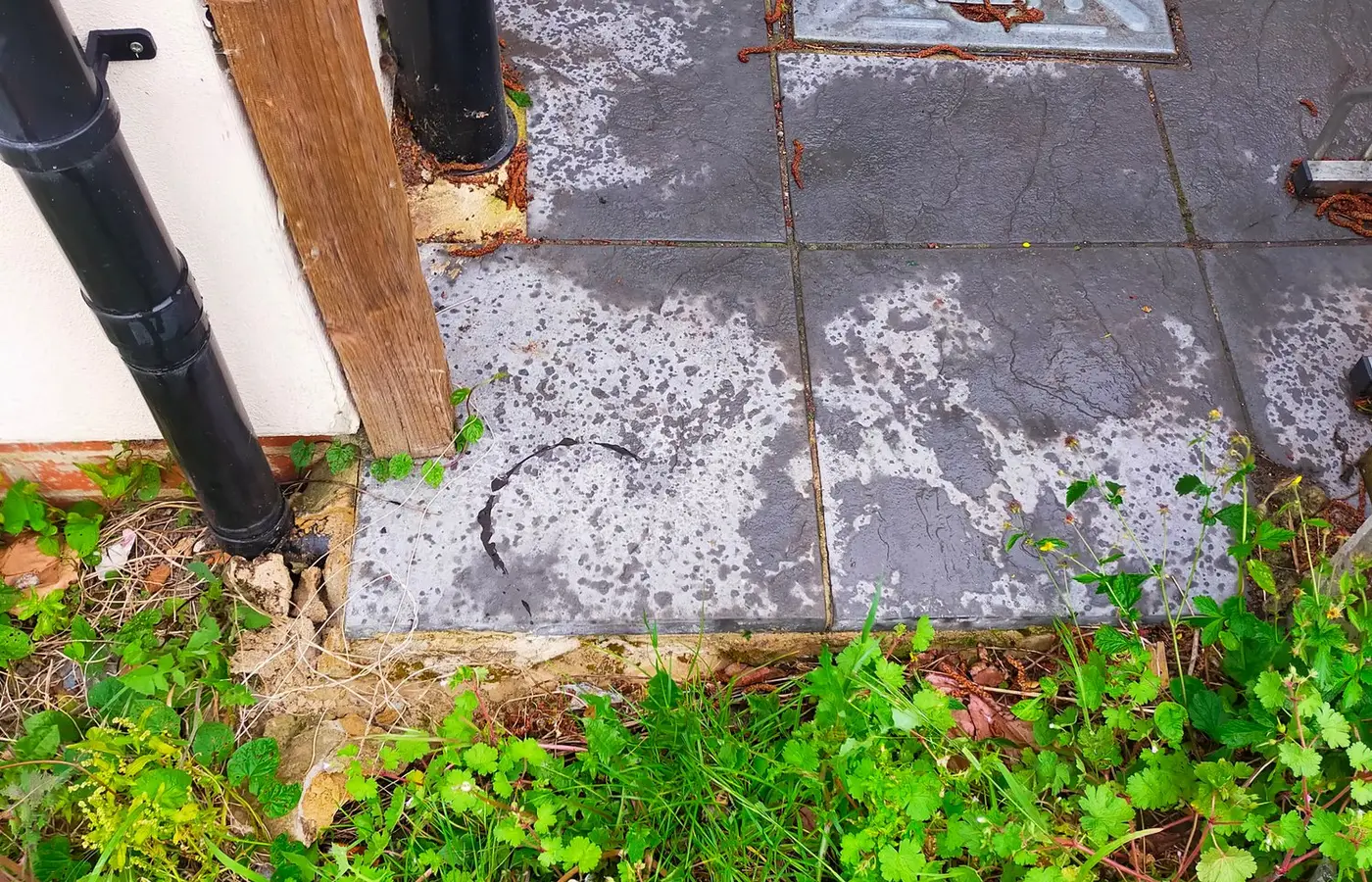
The council deal with blocked drains only where the drain takes water off the road, such as a blocked gully or highway drain. In England and Wales a blocked public sewer or shared lateral drain is reported to your water company, and a blocked private drain serving only your property, inside your boundary, is yours to sort out.
If the blockage sits on your side of the boundary, get a quick quote from Vision Plumbing and have it cleared by the plumber who quoted it.
The mistakes that send people to the wrong door
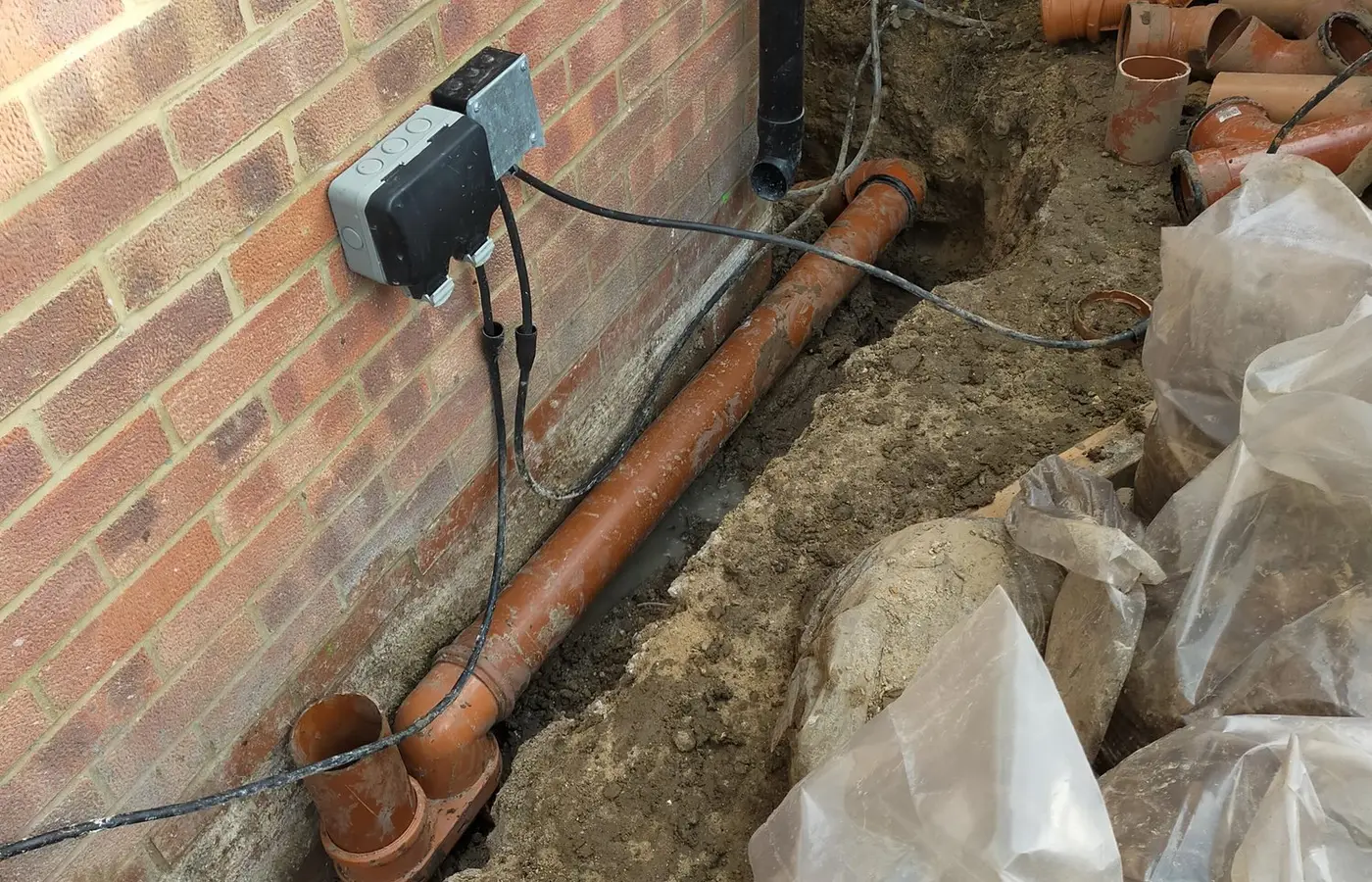
Most people ring the council first, because drains sound like a council job. For almost every blockage at a house the council passes you on, and the water keeps backing up while you wait.
- Anything outside the house is the council's. It is not. The pipe under your garden that serves only your home is a private drain, and it stays yours all the way to your property boundary.
- Shared pipes are split between the neighbours. In England and Wales most shared sewers and lateral drains passed to the water companies in 2011. Once your pipe joins a neighbour's, or crosses the boundary, a blockage beyond that point is normally the water company's to clear.
- The manhole on my lawn must be mine. Not if it serves more than one property. A chamber on a shared run is usually part of the public sewer, even with your rose bed around it.
- The water company will clear my toilet. It will not. A blocked toilet, sink trap or bath waste sits inside the home, and the pipework inside the home belongs to the owner.
What to do next, in order
Work from the house outwards. It takes a few minutes and saves calling the wrong people.
- Check how much of the house is affected. One slow sink is usually its own trap or branch pipe. Every toilet, sink and shower backing up at once points to the main drain.
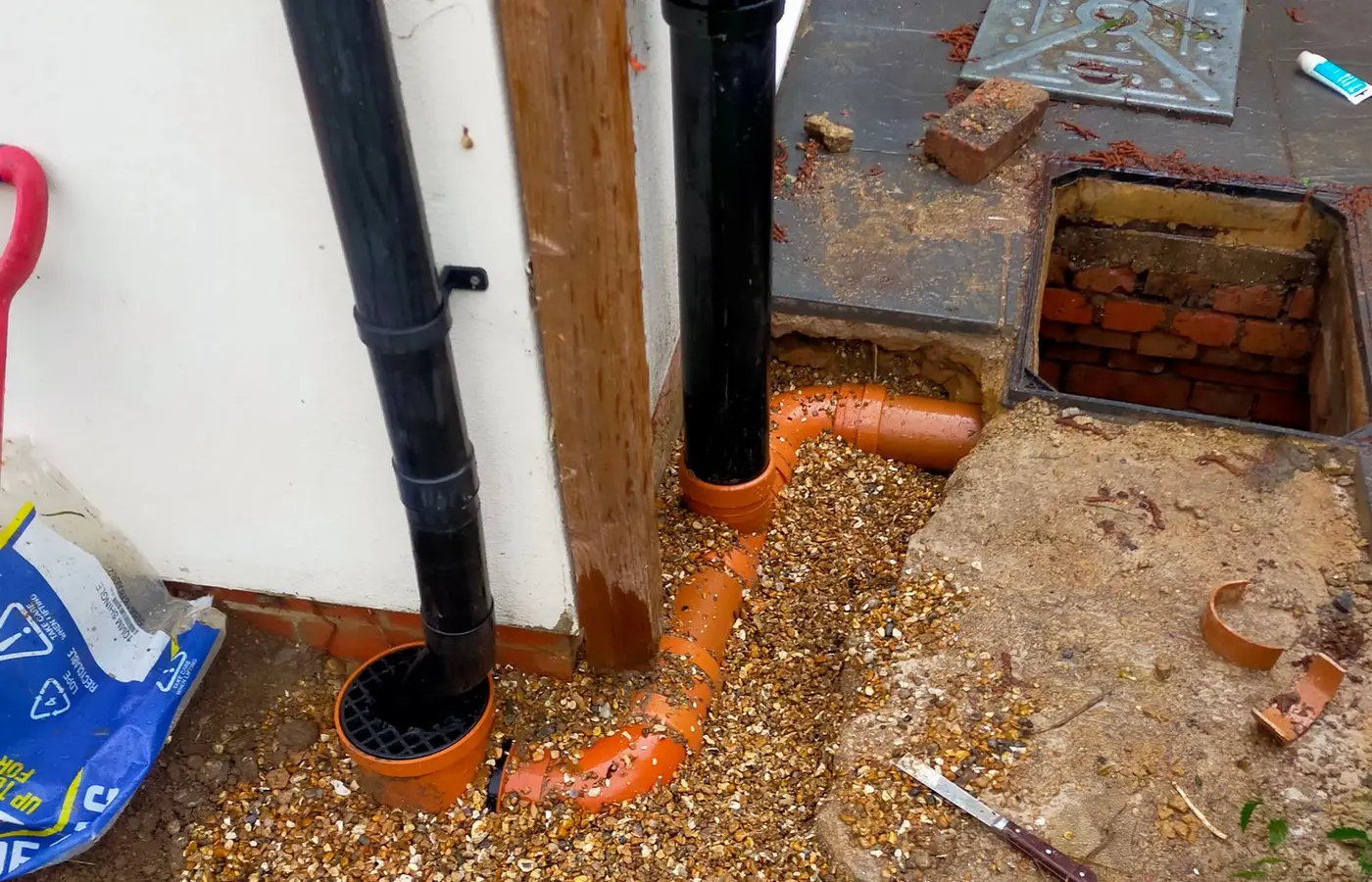
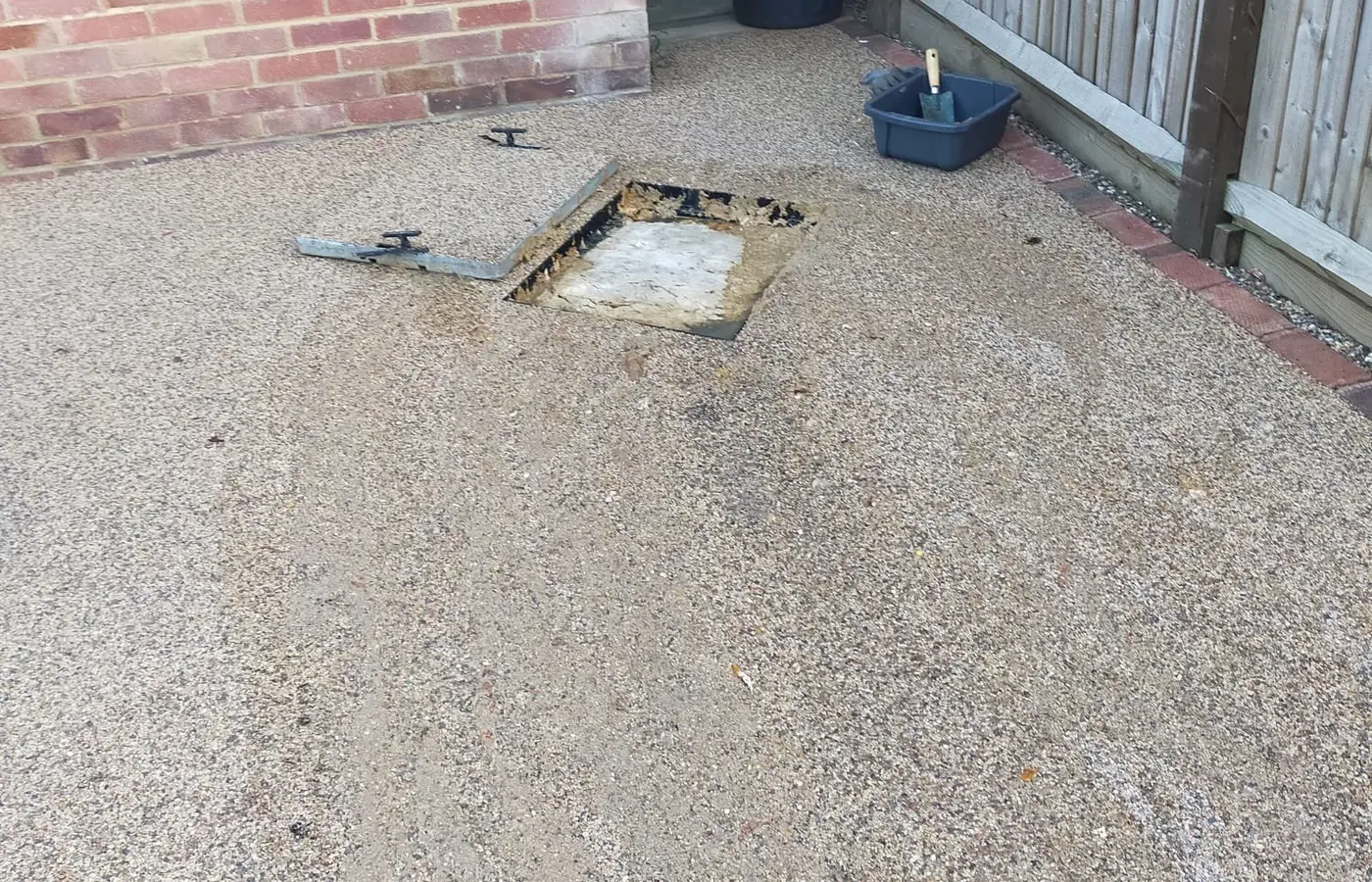
- Lift the inspection cover nearest the house, if you can do it safely. If it is full and the next chamber down the line is empty, the blockage sits between the two. If every chamber on your land is clear and the water still will not go, look further on, to the shared sewer.
- Report a blockage past your boundary to the water company. Their website tells you who serves your postcode. Give the address, where the water is coming up, whether it is inside the home, how long it has gone on and whether neighbours are affected. Photos help.
- Report a flooded road gully to the council. Most council websites have a page for reporting highway drains.
- Get your own private drain cleared. That is the part that falls to you, and it is the part we do.
While you wait, do not climb into a chamber, do not pour chemicals into a drain that is already full, and keep children and pets away from anything that has come up. Rodding your own run is fine. Rodding into the public sewer is not your job.
How long it takes and what it disrupts
Water company attendance depends on how busy they are and how serious the report is. Sewage inside a home is treated as more pressing than a slow drain in a garden, and we will not guess at their timings for them.
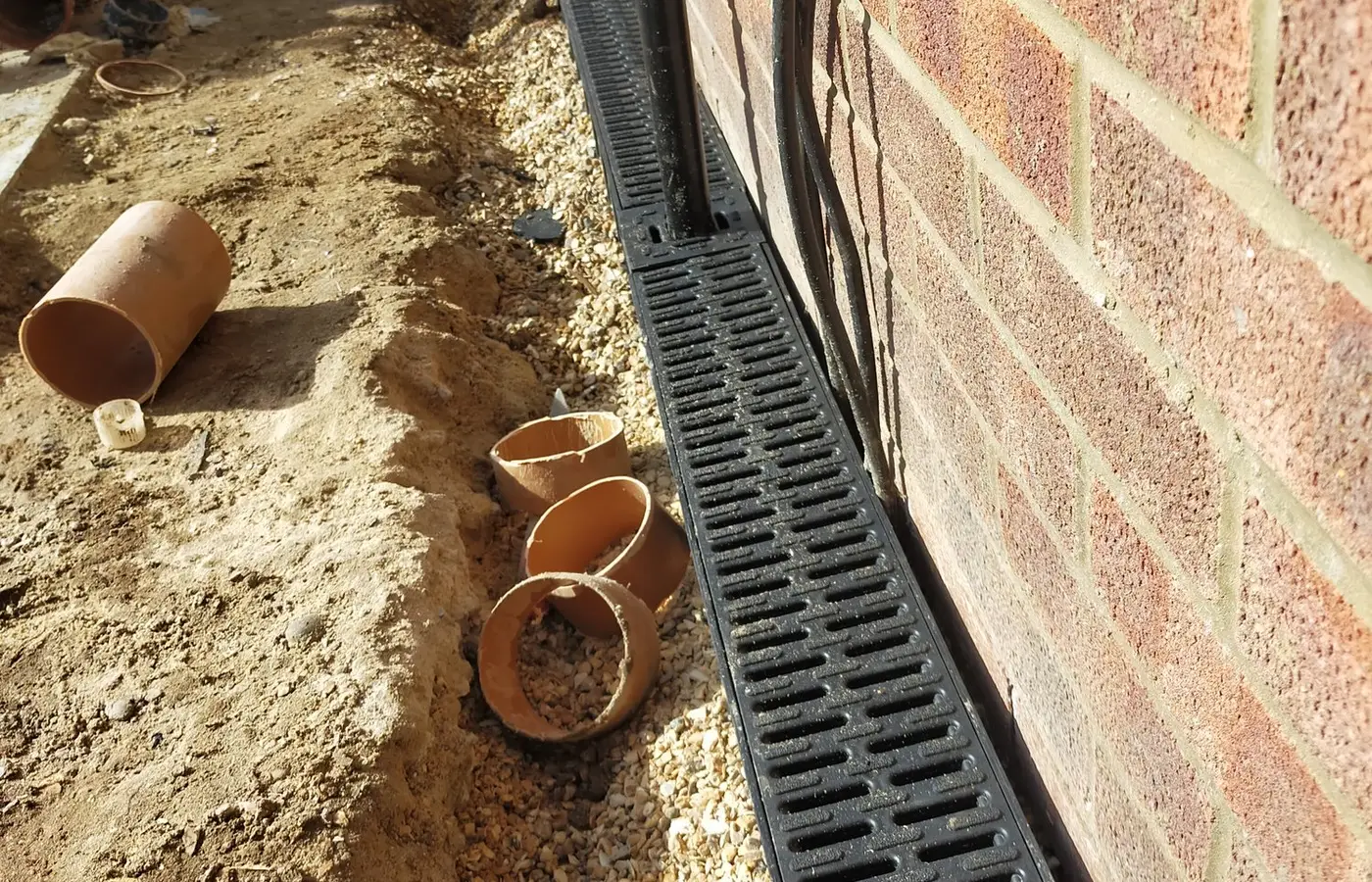
On a private drain, most blockages clear without touching the garden. The rods or the jetting hose go in through the existing inspection chamber, and the only disruption is going without your toilets and sinks until the run flows again. The jetting equipment and the survey camera are our own, so nothing waits on hired kit.
A blockage that keeps returning usually means the pipe has failed rather than blocked, and a CCTV survey shows which. A cracked or root-damaged pipe that still holds its line can often be lined from the inside, a no-dig repair that leaves the garden alone. A pipe that has collapsed or dropped out of line has to be dug down to and replaced. The camera decides it, not a preference.
If sewage comes up inside the house out of hours, our 24-hour emergency call-out covers it, and if the fault is in the public sewer we will tell you so.
The signs that tell you where the blockage is
- Water pooling round a grate in the road or pavement: a highway gully, which is the council's.
- Several houses affected, or a manhole overflowing in the street: the public sewer, which is the water company's.
- Only your home, with your own inspection chamber full: your private drain, which is yours.
- Your chamber empty but your drains still backing up: a blockage downstream, often in a shared lateral drain.
- Gurgling, slow emptying or a smell from one fitting: an early warning on your own pipework, worth dealing with before it backs up.
- Sewage rising through a ground floor toilet or shower tray: drain flooding inside the home. Report it at once and stop running water.
Repeat blockages on the same run, months apart, are a sign in themselves. They rarely mean bad luck and usually mean a damaged pipe.
What decides it for your property
Two homes on the same street can get different answers. These are the things that settle yours.
- Where the pipe sits against the boundary. Inside your boundary and serving only you, it is yours. Beyond it, it usually is not.
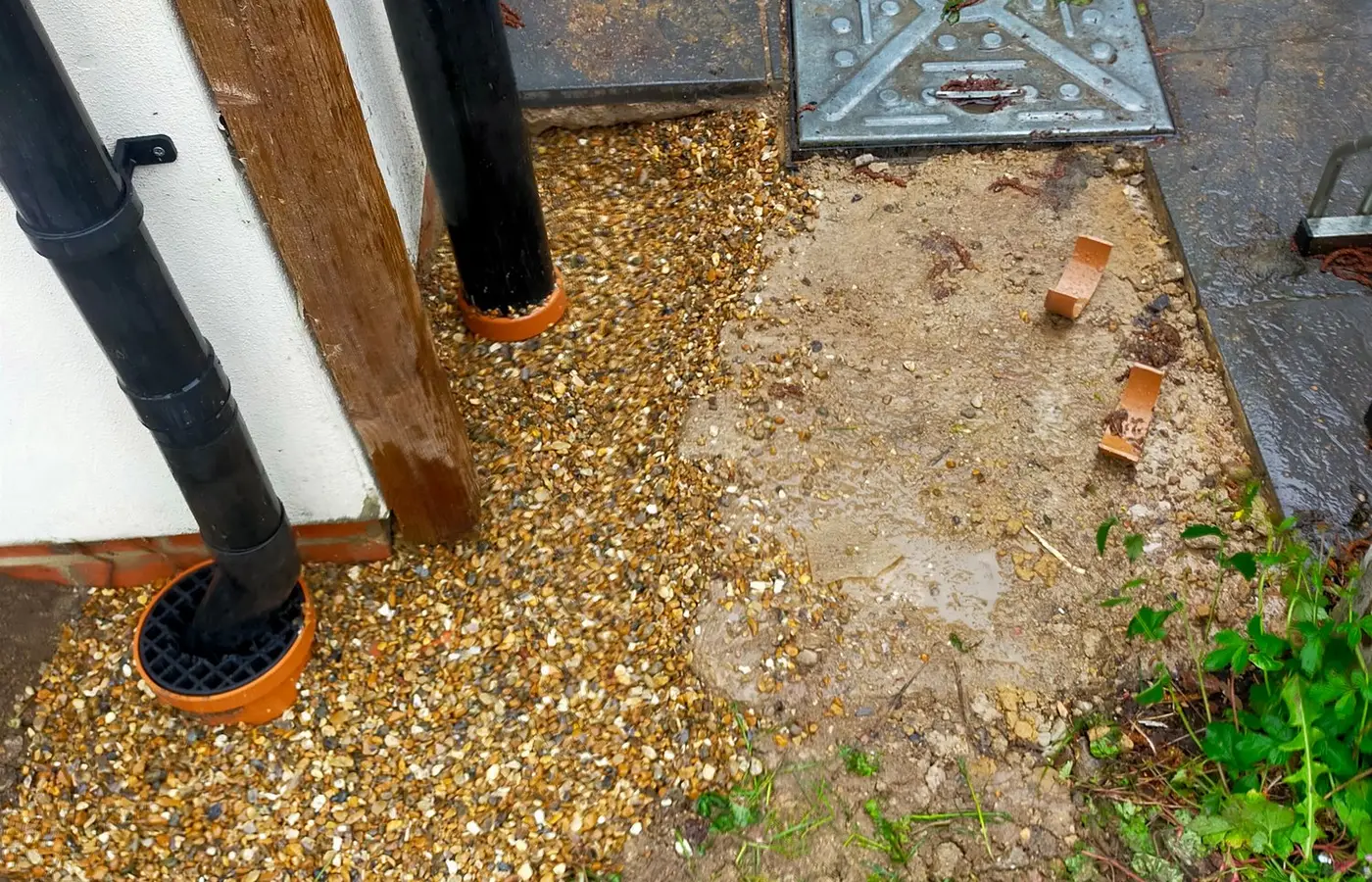
- How many properties it serves. Terraced and semi-detached houses often share one run behind the row, which makes the shared section public sewer even where it crosses your garden.
- Whether the sewer has been adopted. On some newer estates the sewers have not yet been adopted, and until they are, the developer can still be responsible.
- Whether you own or rent. Tenants go to the landlord first. Council and housing association tenants report to their landlord, which is the one case where the council really is the answer. Commercial tenants in a pub, shop or office check the lease.
- Whether you are on the mains. A septic tank or cesspit is private from end to end.
Looking for a drain plumber near you, south of the Thames across Kent, Medway, Surrey or the Sussex counties? If the blockage is on your side, the plumber who quotes it is the one who clears it, with a one year warranty on parts and labour.
If the blockage sits on your side of the boundary, get a quick quote from Vision Plumbing and have it cleared by the plumber who quoted it.