

Most pay comparisons between electricians and plumbers set a wage beside a business turnover and call it a result, which is why the answers online disagree. We are a working Emergency Plumber covering Kent, Medway, Surrey, East Sussex, West Sussex and south-east London, so this is written from inside the trade, with no invented salary figures.
The Short Version
- Why employed pay in both trades sits close together
- The six levers that decide what a tradesperson actually earns
- How Part P, water regulations and Gas Safe registration shape income
- Why plumber and gas engineer figures should never be mixed
- The common errors behind misleading self-employed earnings claims
- How long it takes to move from apprentice to full earnings
Vision Plumbing is a sole trader plumbing, drainage and hot water business, so you deal with one plumber from the first call to the finished job. If you need an emergency plumber, we cover the whole area, emergency call-outs in Maidstone included.
Get a quick quote from Vision Plumbing anywhere across Kent, Medway, Surrey, East Sussex, West Sussex and south-east London before a small leak becomes a ceiling repair.
Who earns more, electrician or plumber in the UK?
Who earns more, electrician or plumber in the UK, has no fixed answer: employed pay in the two trades sits close together, and the difference between two people comes far more from employment type, specialism, region and hours worked than from the trade itself. In the common case, the better-paid one is the self-employed specialist with steady demand.
Get a quick quote from Vision Plumbing and speak to the same plumber who will stop the water and fix the fault.
What actually moves a tradesperson's pay
Put a newly qualified electrician beside a newly qualified plumber on the same employer's payroll and their starting salary will rarely be far apart. Earnings spread out later, as each person makes choices about how they work. These are the levers that decide earning potential in either trade:
- Employed or self-employed. An employed tradesperson earns a wage. A self-employed electrician or self-employed plumber earns whatever is left after the business is paid for, which can be well above a wage or below it.
- Specialism. General work pays like general work. Specialist skills, such as commercial electrical installation for an electrician, or unvented hot water and drainage for a plumber, widen the range of jobs and the daily rate they support.
- Region. Pay in London and the South East tends to run above the national picture, and so do living and running costs. A national average annual salary says little about any one town.
- Hours and urgency. Out-of-hours and emergency work adds income for those willing to answer the phone at night.
- Equipment. Owning specialist kit, rather than hiring it in, lets a tradesperson take on heavier jobs directly.
- Demand where they work. A trade in short supply locally commands better day rates than one with plenty of competition.
Government salary data is useful for the employed side, but it measures pay, not profit, so it understates the spread among people who run their own business.
The rules that shape both trades
Regulation decides which work each trade may legally take on, and that has a direct effect on income. Notifiable electrical work in homes in England falls under Part P of the Building Regulations, which is why many electricians join a scheme that lets them certify their own work.
Plumbing has its own rules. New water fittings must meet the Water Supply (Water Fittings) Regulations 1999, and unvented hot water cylinders need specific competence to install. Gas is separate again: anyone carrying out gas work for payment must be on the Gas Safe Register, which takes additional qualifications and assessment beyond plumbing.
That distinction matters, because plenty of salary comparisons quietly bundle plumbers and gas engineers together. Vision Plumbing, for example, is plumbing, drainage and hot water only, and anything involving gas or a boiler goes to a registered gas engineer.
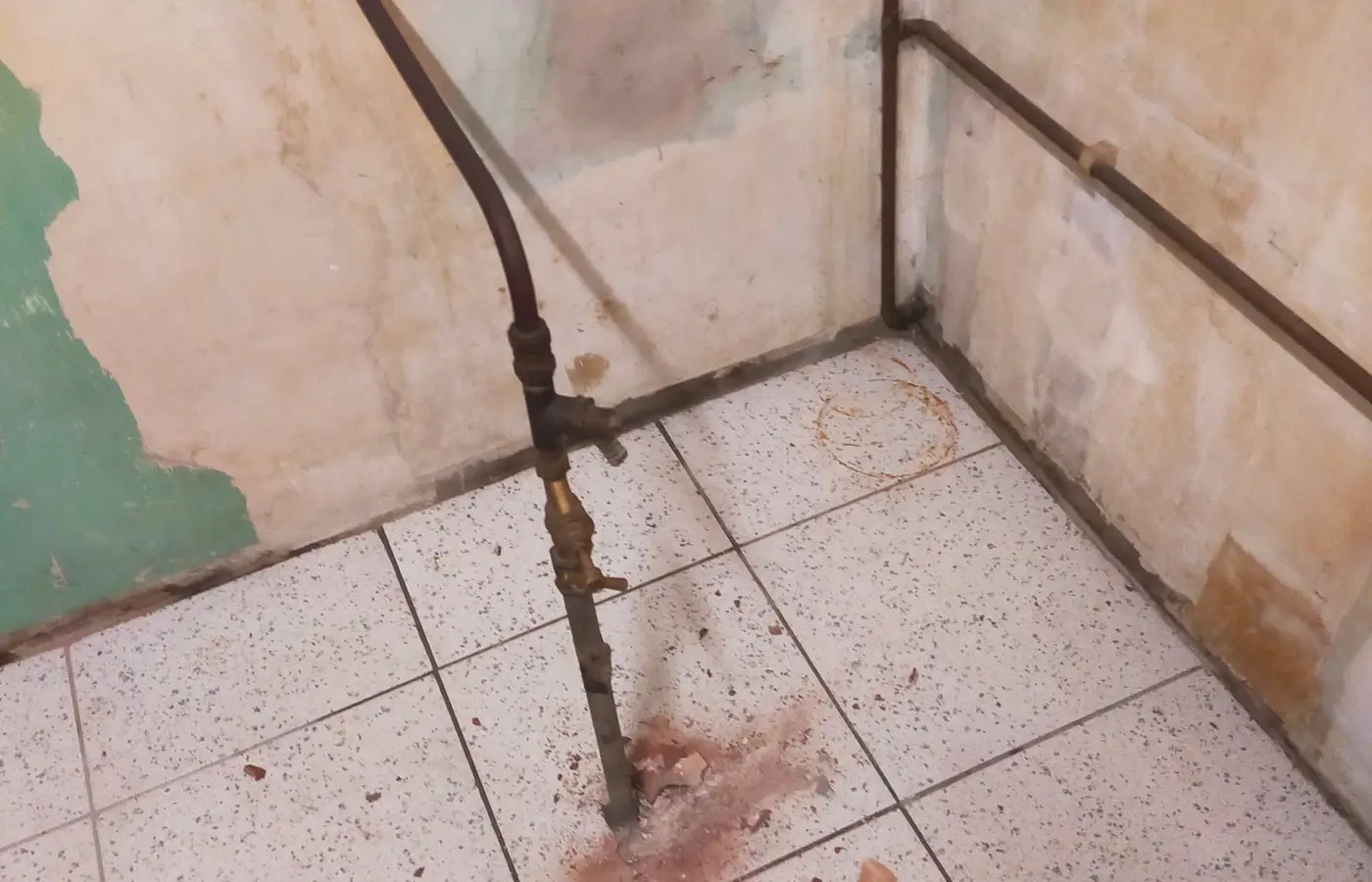
Common mistakes in comparing the two trades
Most confused answers to this question come from comparing figures that do not measure the same thing. The usual errors:
- Treating gross takings as income. A self-employed tradesperson pays for a van, fuel, tools, insurance, materials and accounting before any of it is theirs, then pays tax.
- Forgetting unpaid time. Quoting, travelling, paperwork, holidays and sick days earn nothing for a sole trader.
- Mixing plumbers with gas engineers. Heating and gas qualifications change the picture, so a plumber-only figure and a gas engineer figure are different comparisons.
- Applying London numbers everywhere. Regional pay differences are real in both trades.
- Reading an apprentice wage as a career wage. Early pay in both trades is low by design and rises with trade qualifications and employment experience.
- Assuming emergency work is easy money. It pays for nights, weekends and being on call, which is time taken from everything else.
A fair comparison sets employed pay against employed pay, and business profit against business profit, in the same region and specialism.
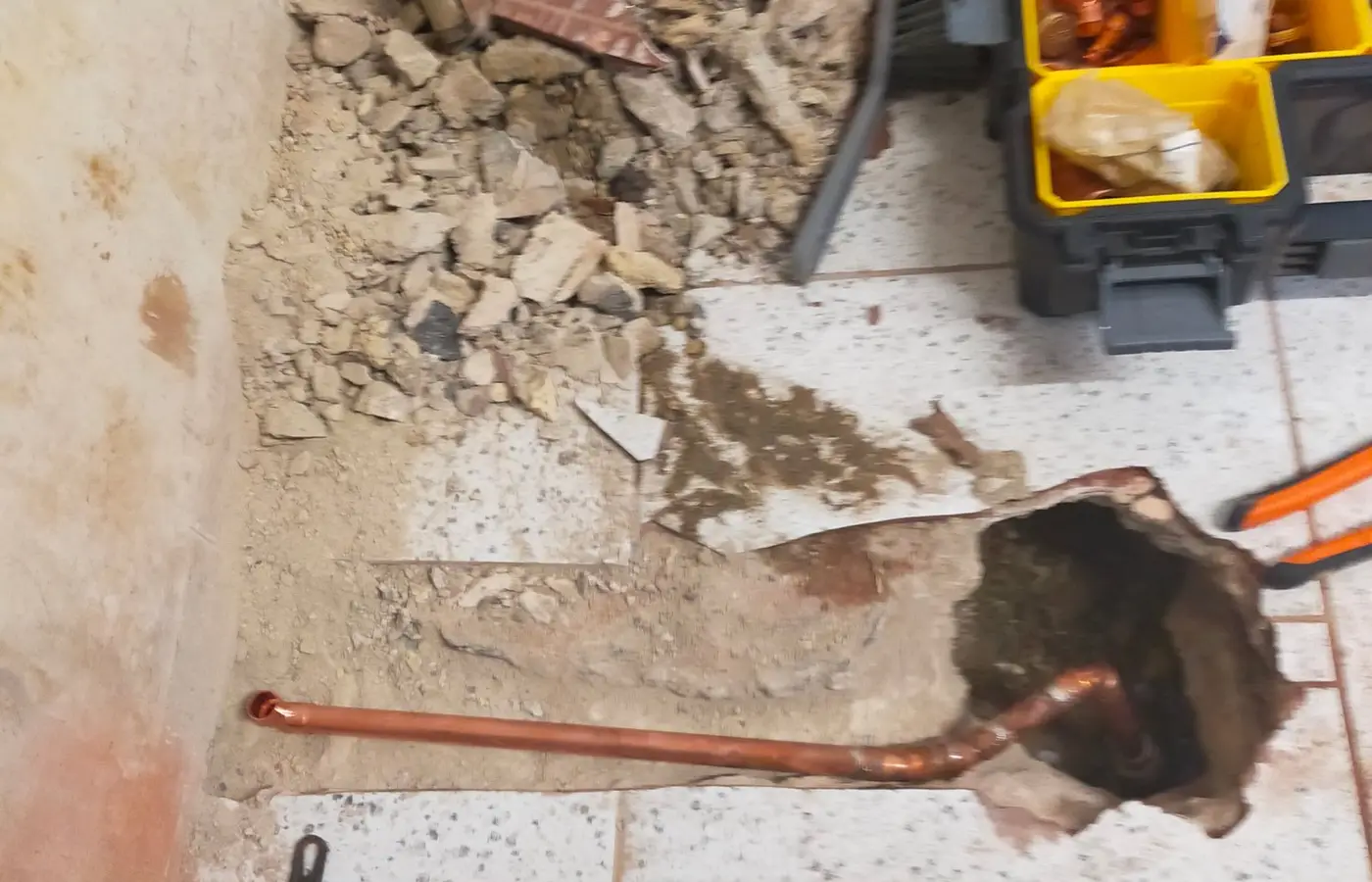
How long it takes to reach full earnings
Both trades usually begin with an apprenticeship or college route lasting a few years, combining paid site work with study. Pay in that period is modest, and it rises once the person is a qualified tradesperson working unsupervised.
Career progression after that is gradual. Experience brings faster, more confident work and the specialist jobs that pay better. Going self-employed is the step where earnings can climb furthest, but it also brings the most disruption: the first year or so often means uneven income while a customer base grows, and profit margins depend on keeping the diary full.
Emergency call-outs are one route that tests a plumber's experience directly. Water through a ceiling at night has to be stopped, traced and repaired by someone who knows what they are looking at. If you need an emergency plumber near you across Kent, Medway, Surrey, East Sussex, West Sussex or south-east London, Vision Plumbing runs a 24-hour emergency call-out, and the plumber who quotes the job is the plumber who turns up and does it.
Get a quick quote from Vision Plumbing and speak to the same plumber who will stop the water and fix the fault.