


The back bedroom that never quite warms up. The valve leaving a brown ring on the carpet beneath it. If that is your house in Tonbridge, radiator repair and installation is the job, and both faults are usually smaller than they look.
Key Points
- How valve centres decide whether a new radiator fits existing pipes
- What a cold top, cold bottom or cold far room points to
- Which radiator leaks get repaired and which mean a replacement
- The order a radiator swap follows, and why draining is rarely needed
Vision Plumbing is a sole trader plumbing, drainage and hot water business, so the local plumber in Tonbridge who looks at your radiator and quotes for it is the same plumber who comes back and does the work. Radiators are his. Boilers go to a registered gas engineer.
Get a quick quote from Vision Plumbing for your Tonbridge radiators: it is free, and that cold room will not sort itself out.
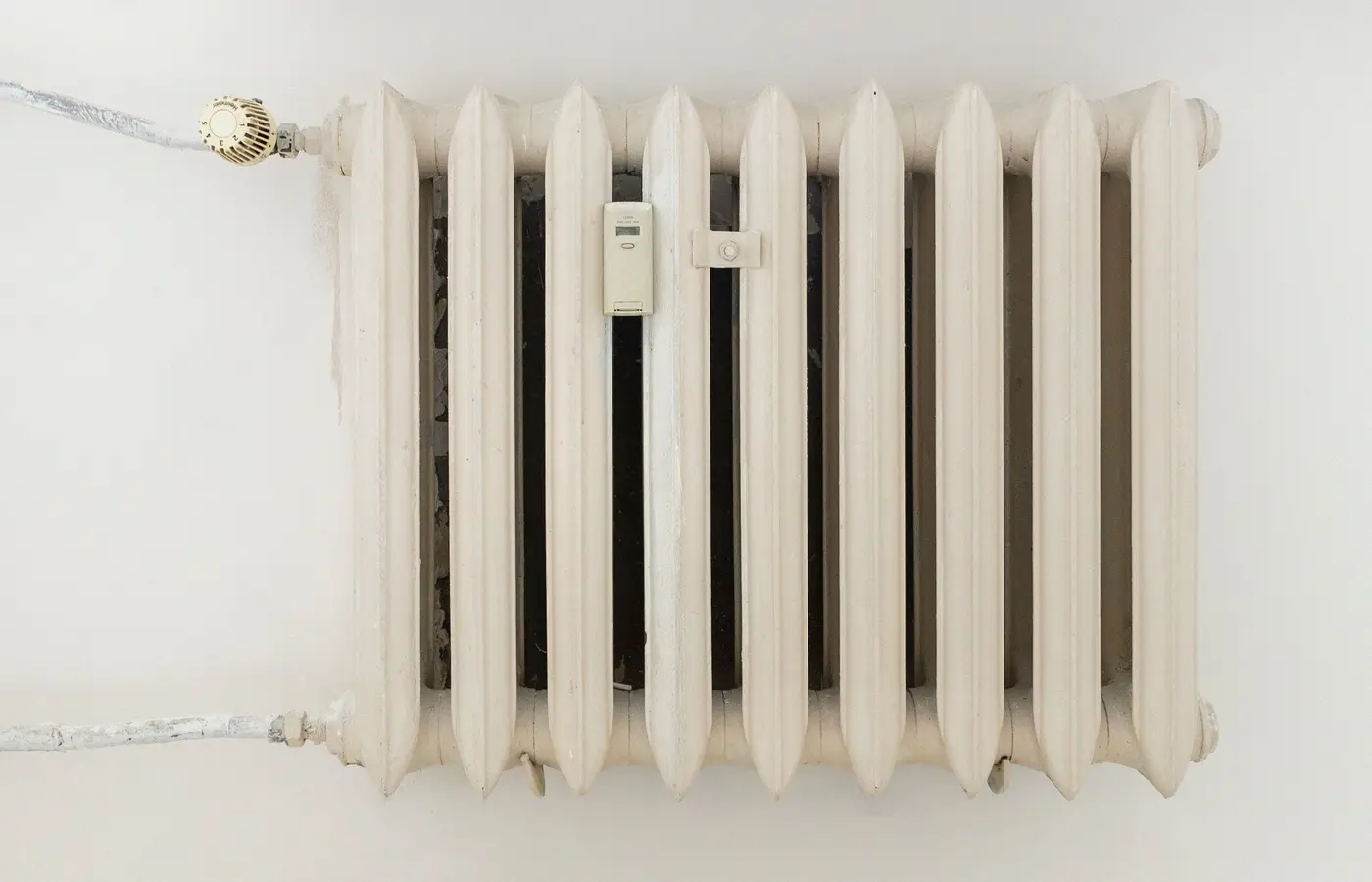
Radiator Installation and Replacement
Matching the new radiator to the old pipework
Most radiator replacement starts with a tape measure, not a catalogue. We measure the valve centres, pipe to pipe, on the radiator coming off the wall. A new radiator with the same centres goes straight onto the existing 15mm tails. One with different centres means the pipework has to be moved or extended, and that is a different size of job. So we tell you which it is before anything is ordered.
Panel type and heat output
Radiators are sold by type and by output. The common steel panels are:
- Type 11: a single panel with one set of convector fins
- Type 21: two panels with one set of fins between them
- Type 22: two panels with two sets of fins, the deepest of the three
The type matters because a cold room often needs more output, not a bigger footprint. Swapping a Type 11 for a Type 22 of the same height and length can lift the heat in that room without moving a pipe. Depth is the trade-off. We check the gap behind doors and curtains first.
Get a quick quote from Vision Plumbing for radiator repair and installation in Tonbridge, and tell us which room stays cold or which valve is weeping.
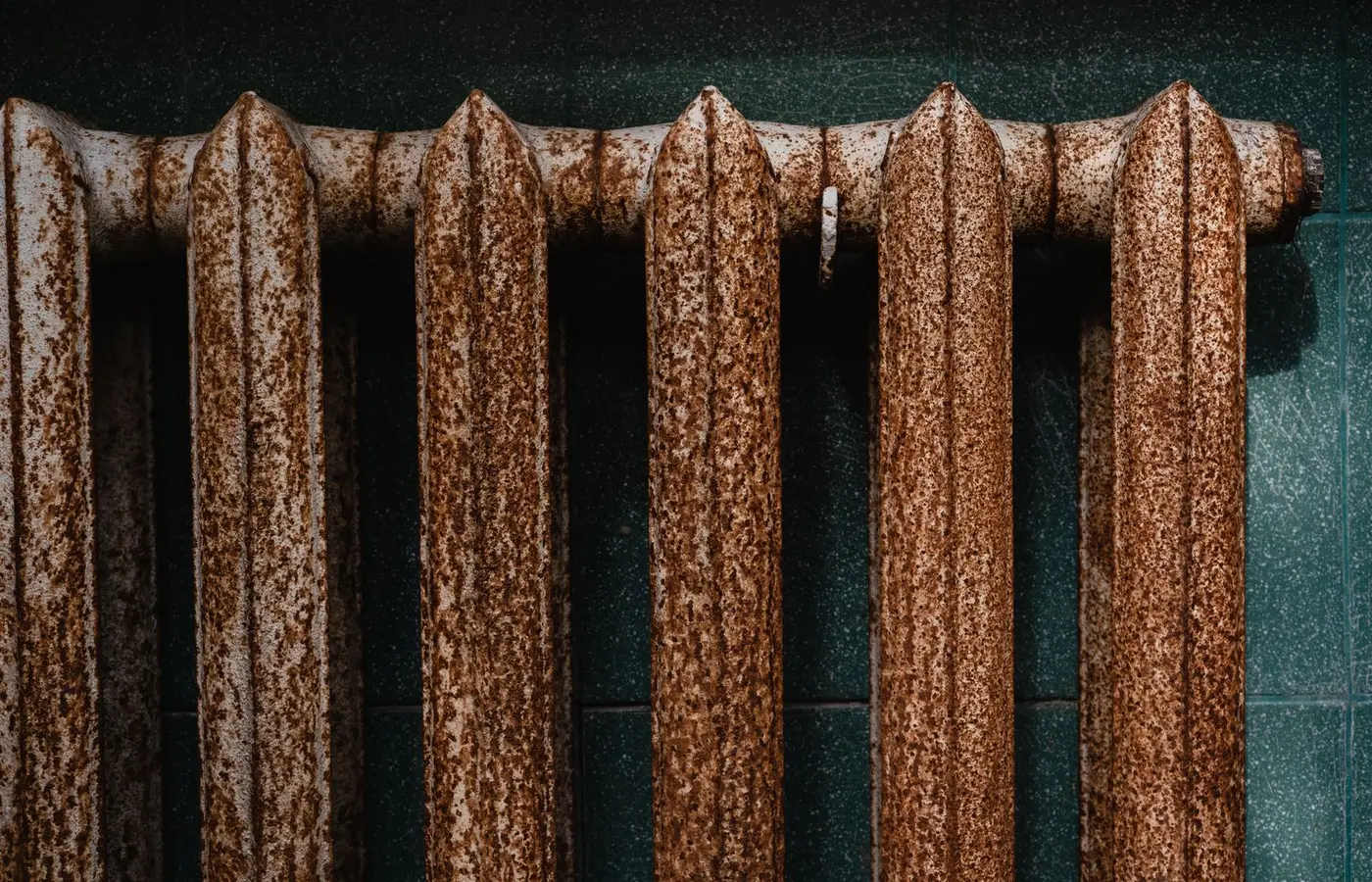
How Radiators Work in Tonbridge Homes
Flow, return and the two valves
Every radiator has two valves. The thermostatic valve, or TRV, normally sits on the flow side and opens or closes as the room warms. The lockshield sits on the return and is set once, with a key, to control how much water that radiator takes. A bleed screw at the top lets trapped air out. That is the whole working part.
What the symptoms tell us
- Cold at the top, warm at the bottom: air trapped in the radiator
- Cold at the bottom, warm at the top: sludge settled in the lower channels
- Cold all over while the others run hot: a stuck TRV pin or a lockshield shut down
- Near rooms hot, far rooms lukewarm: a system that has never been balanced
Each one points to a different repair. Reading them right is what stops you paying for the wrong one.
Where the radiator stops and the boiler starts
The radiator is ours. The boiler behind it is not. If a fault traces back to the boiler or its controls, we say so plainly and it goes to a registered gas engineer listed on the Gas Safe Register. No guessing.
Get a quick quote from Vision Plumbing for radiator repair and installation in Tonbridge, and tell us which room stays cold or which valve is weeping.
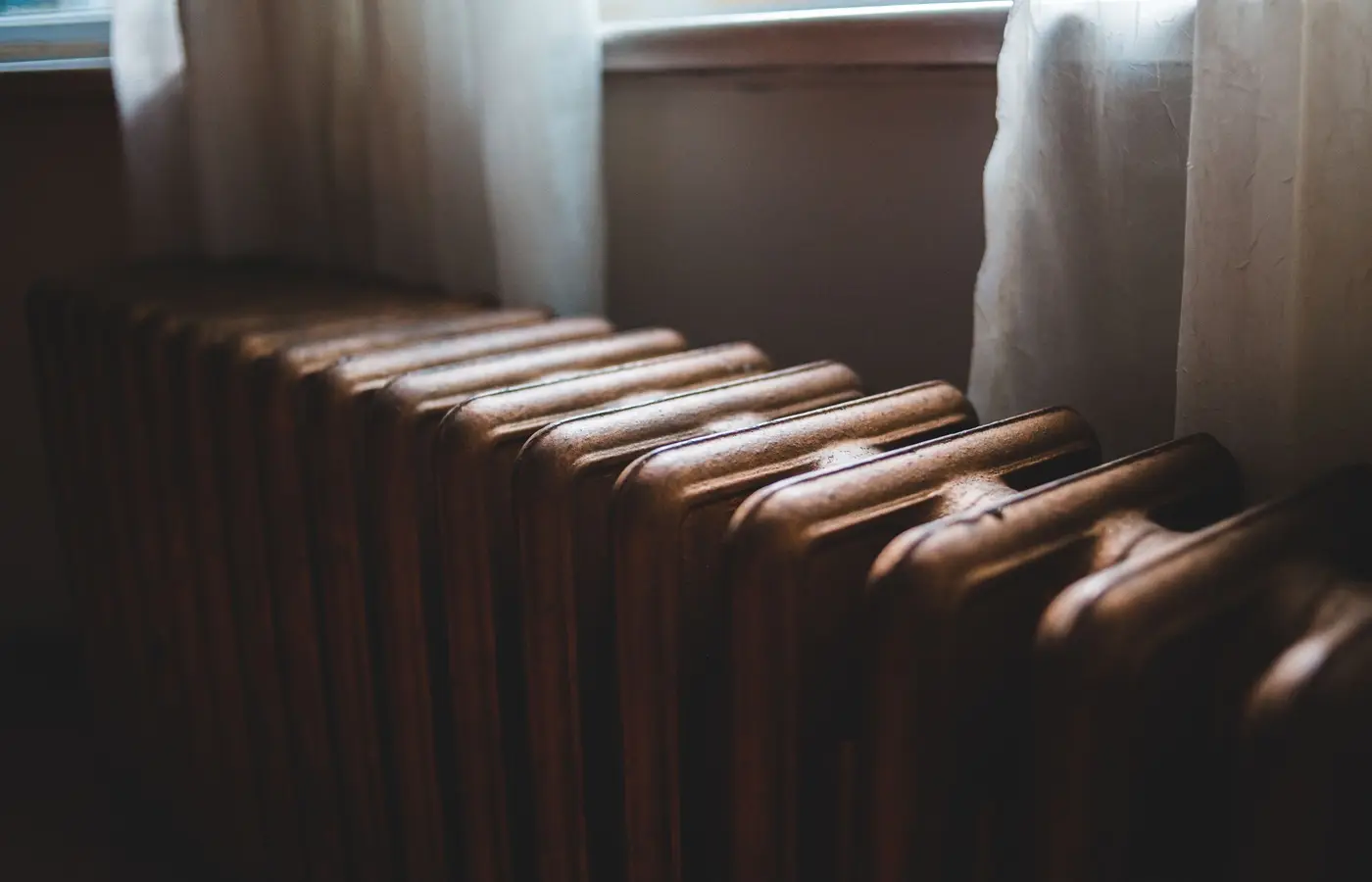
Radiator and Valve Repairs
Weeping valves and leaking unions
Most radiator leaks are at the valve, not the panel. A drip from under the TRV head usually comes from the spindle gland, and the gland nut or packing can often be dealt with without draining anything. A weep where the valve meets the radiator usually means a tired olive or a loose union nut. Small parts. Easy fixes, caught early.
When the radiator itself has to go
Pinholes in the panel are a different story. They come from corrosion working outward from inside, and a radiator rusting through in one spot is usually thin elsewhere too. We do not patch those. The radiator is replaced, and the valves are checked while it is off the wall. Same with a valve body seized solid: a new valve, not a fight with the old one.
Repair or replace: what decides it
The deciding question is where the water is coming from. Valve, gland, union or bleed screw: repair. Corroded panel, split seam or seized valve body: replace. Norbert has over 20 years of plumbing behind him, and he quotes from the radiator in front of him, then turns up to do the work himself. From Tonbridge across to Maidstone it is the same plumber: a radiator repair in Tonbridge and a radiator repair in Maidstone get the same order of work and the same one year warranty on parts and labour.
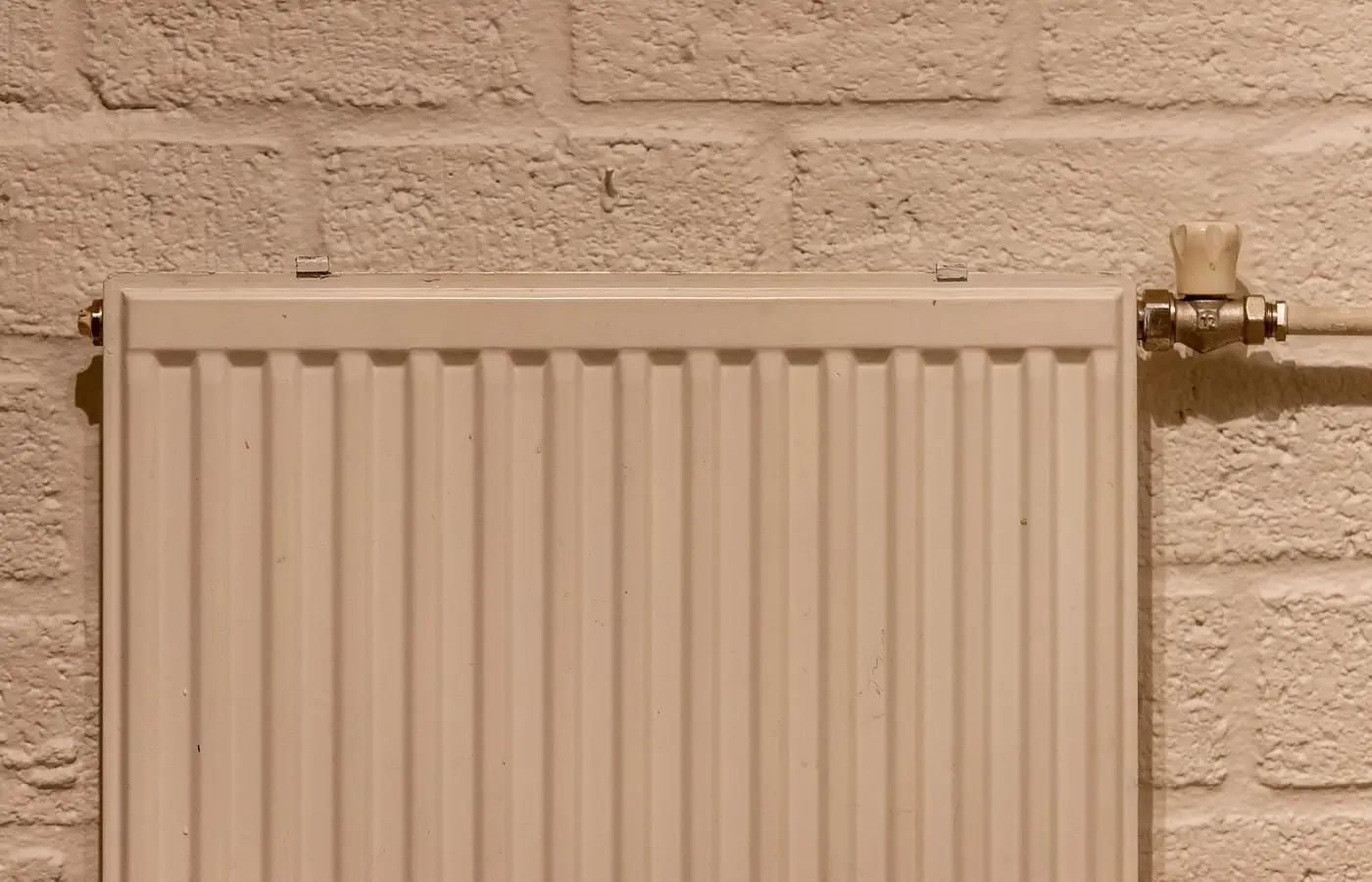
Benefits of a Balanced Radiator System
Bleeding, in order
Bleeding is the simplest job on the list, and it still has a sequence. Heating off first, so the radiators are cool. Then start downstairs and work up. Each bleed screw is opened a quarter turn with a key, with a cloth underneath, and closed the moment water follows the air. Then the heating goes back on and every radiator is checked top to bottom.
Balancing, and why it fixes the far rooms
Water takes the easiest route. Radiators on short pipe runs take more than their share, and the far bedroom gets what is left. Balancing turns that around. The lockshields nearest the start of the circuit are closed down, the far ones opened, and each is set so every radiator shows a similar temperature drop between flow and return. We measure it on the pipes. Not by touch.
What you get from it
Even heat across the house. Rooms that warm at the same rate. And TRVs that can do their job, because every radiator is finally getting the water it needs to respond.
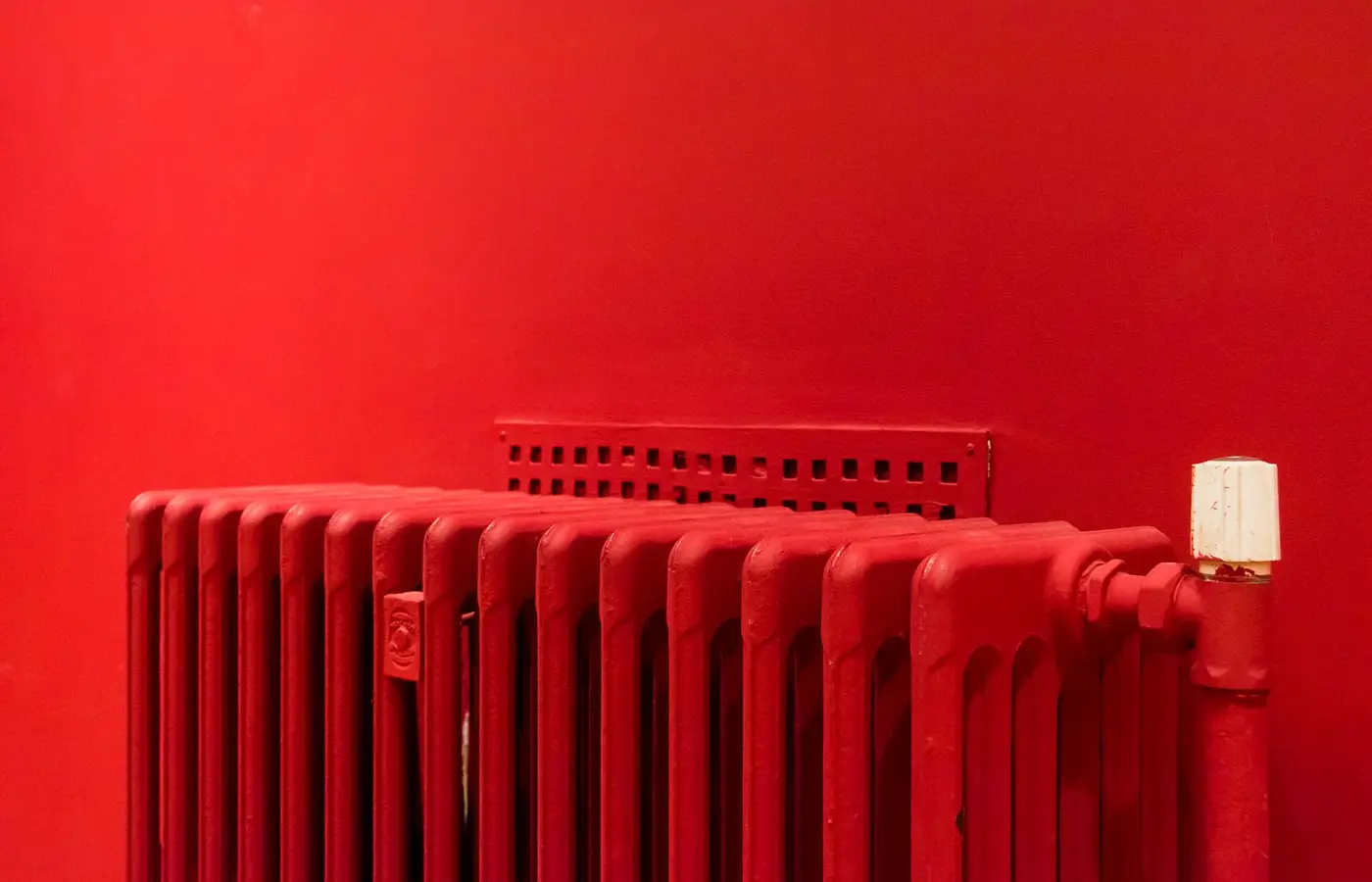
Radiator Installation Process
The sequence on the day
Our radiator replacement services follow the same order every time:
- Close the TRV and the lockshield, counting the lockshield turns so it goes back to the same setting
- Crack the unions over a tray and drain the radiator itself
- Lift it off its brackets and check the old valves and tails
- Fit new brackets at the height the new valve centres need
- Hang the new radiator and remake the unions, with fresh olives where needed
- Open both valves, bleed, and check every joint dry under heat
Isolating at both valves means a straight swap rarely needs the whole system drained. The rest of your heating is left as it was.
New radiators in new positions
A radiator in a new spot is a bigger job. New 15mm flow and return pipes have to be run from the nearest pipework, under the floor or along the skirting, and the new radiator needs balancing once it is on. We agree the route with you before a floorboard comes up.
Covering Tonbridge
Tonbridge is one of the Kent towns around Sevenoaks that we cover. One plumber quotes the job, the same plumber fits it, and it carries a one year warranty on parts and labour. Tell us which room stays cold or which valve is weeping, and get a quick quote.
Get a quick quote from Vision Plumbing for radiator repair and installation in Tonbridge, and tell us which room stays cold or which valve is weeping.
Radiator Repair And Installation in Tonbridge: Your Questions Answered
How much does it cost to have a radiator fitted in Tonbridge?
It depends on the job, so we do not put a figure on it blind. A like-for-like swap onto matching valve centres is a smaller job than a radiator in a new position with fresh 15mm pipe run to it. Tell us what you have and what you want. The quote follows that conversation, and it is free.
Is it worth replacing 20 year old radiators?
Sometimes. Age alone is not the reason. A radiator that heats evenly after bleeding and has no weeping seams can keep going. One with pinholes, rust along the bottom seam or a cold lower half that keeps coming back is worth replacing, and a Type 21 or Type 22 can add output in the same wall space.
Do I need a plumber to install a radiator?
A straight swap means isolating both valves, draining the radiator, fitting brackets, remaking the unions and bleeding it. A union that weeps slightly can soak a floor for weeks before anybody notices. We fit it, test every joint dry under heat, and the work carries a one year warranty on parts and labour.
Will you look at the boiler too while fixing radiators in Tonbridge?
No. The radiator is our work and the boiler is not, because we do no gas work of any kind. If a radiator fault in your Tonbridge home traces back to the boiler or its controls, we tell you plainly and it goes to a registered gas engineer.