


A ceiling stain that grows by the week, or a meter turning with every tap shut, means water is going somewhere you cannot see. Our Leak Detection work across Kent, Medway, Surrey, East Sussex, West Sussex and Greater London finds it before a floor comes up.
Summary
- The timed water meter test that tells an inside leak from outside
- Who is responsible for a leak on the supply pipe
- Damp patches, green lawn and other signs that point to the source
- What to do first when water is near electrics or a pipe bursts
Vision Plumbing is a sole trader plumbing, drainage and hot water business, so the plumber who quotes the job is the one who turns up with the thermal camera and does it. From a slow drip behind a kitchen unit to a pipe hidden in a solid floor, we cover the whole area, leak detection in Maidstone included.
Get a quick quote from Vision Plumbing anywhere in Kent, Medway, Surrey, East Sussex, West Sussex and Greater London, before the water finds the next ceiling.
How can I find where my water is leaking from?
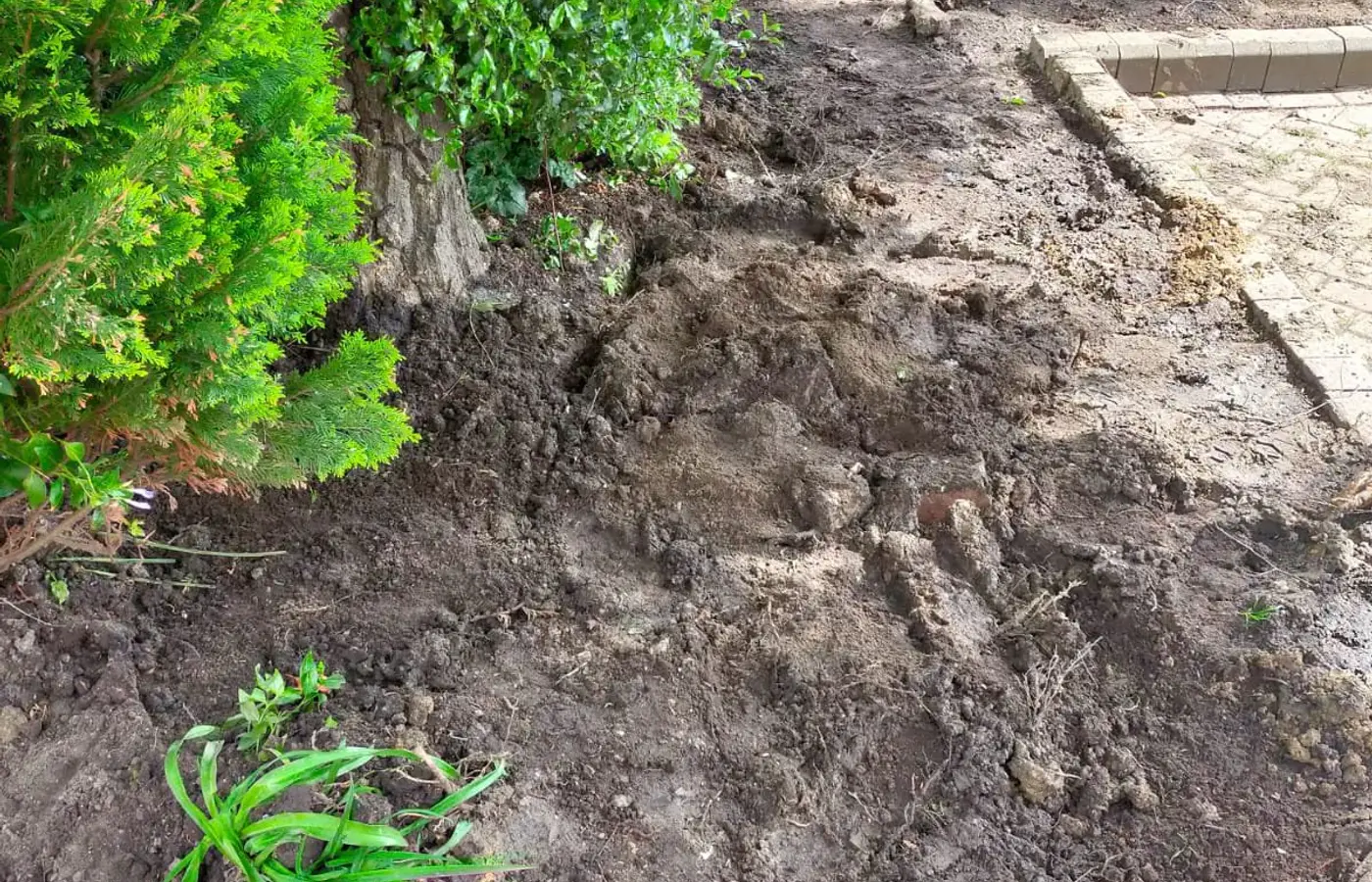
To find where your water is leaking from, turn every tap and appliance off, read your water meter, wait without using any water and read it again: if it has moved, close the internal stop tap and repeat the test to tell a leak inside the house from one on the supply pipe outside.
Meter still turning with the stop tap shut? Get a quick quote from Vision Plumbing and have the leak traced before a single floorboard comes up.
What decides the search in your home
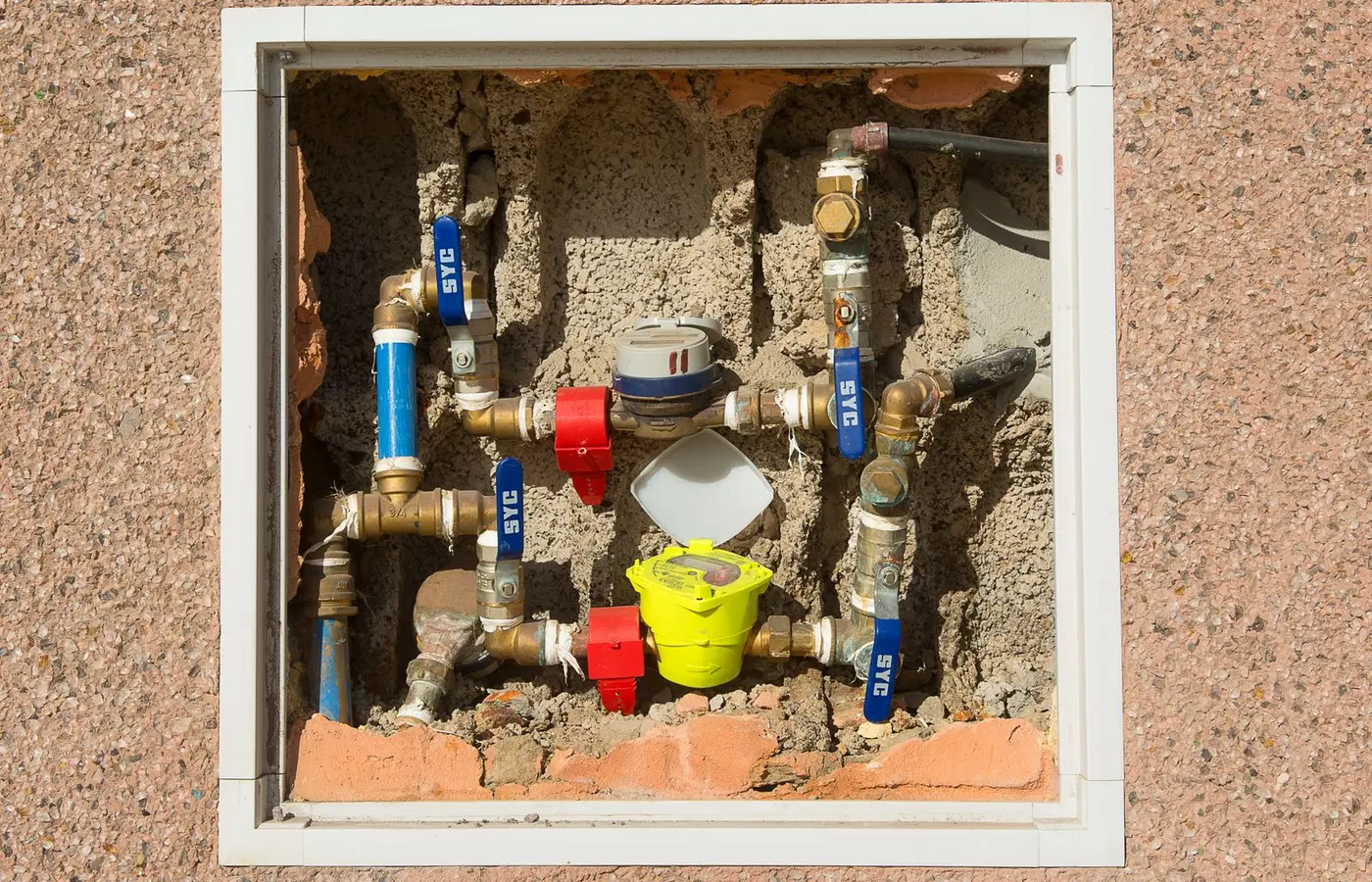
The meter test is the backbone of the search, so the first thing that shapes it is where your water meter sits and what kind it is. Most sit in a small chamber at the property boundary and some sit under the kitchen sink. A smart meter may show water usage on a display, which makes the timed check easier to read.
Having no meter changes the method. Without one, you rely on the stop tap and your ears. Close the internal stop tap, then listen at the kitchen tap and along the supply pipe route for running water, and watch for the signs further down. Flats and older terraces often share a supply pipe, and a shared meter can move because of a neighbour's leak, so read it with that in mind.
Then there is the building. A pipe in a solid floor or behind plaster hides a leak far longer than one in a loft or under floorboards, and a hot pipe behaves differently from a cold one when it is traced. For a routine leak detection or water leak detection services in Royal Tunbridge Wells, we cover the whole area, and the approach is the same everywhere: test first, then trace.
What to do once the meter has given its answer
If the meter stops when you close the internal stop tap, the leak is inside, on your internal plumbing or an appliance, and the checks below will narrow it to a room. If the meter keeps moving with the stop tap closed, the water is escaping before it reaches the house, almost always on the supply pipe between the meter and the stop tap.
Responsibility follows the pipe. In the usual arrangement, the supply pipe from your boundary to the house is yours to repair, and the pipe beyond the boundary belongs to your water supplier. Water pooling in the pavement or rising in the road is theirs, and leak reporting is simple: give your supplier the location, a photo if you can take one safely, and your meter readings. Keep those readings either way, as they record what has been lost.
If the meter moves, the stop tap is closed and nothing on the surface tells you where, that is the point to bring in leak detection rather than lifting paving on a guess.
How long it takes and the disruption to expect
Your own meter test takes about an hour, most of it waiting. Leave everything off, note the reading, and take a second one after at least thirty minutes. Longer gives a slow leak more time to show.
Tracing a hidden leak takes as long as the pipe route and the access allow, and we would rather say that than guess at a figure. Thermal imaging shows the warm spread of water from a hot pipe through a floor or wall. Acoustic tracing listens for water escaping under pressure, which suits cold mains and supply pipes under paths. Both work from the surface, before anybody lifts a floor.
The disruption is the part people dread, and it is usually small. Once the leak is pinpointed, the opening is made over that spot rather than along the whole run, so you lose a few tiles or a floorboard rather than a room.
Safety points before you start looking
- Water near electrics comes first. If it is coming through a ceiling near a light fitting or pooling round sockets, stay out of it and switch off at the consumer unit only if you can reach it from somewhere dry.
- For a burst, close the internal stop tap, usually under the kitchen sink or where the supply pipe enters the house, then open the cold taps to drain the pipes.
- Find and turn your stop tap before you need it. One seized solid is a common discovery halfway through a flood.
- Leave a ceiling that is bulging with water alone. Put a bucket under it and keep clear.
A smell of gas is a different job, and the national gas emergency line comes first: call 0800 111 999 (free, 24 hours), turn the supply off at the meter, open the windows, avoid switches and get outside. Our leak detection can locate a gas leak once the supply is safe, but locating is all we do: a located gas leak is handed to a gas engineer on the Gas Safe Register, and we do no work on gas pipework. Where water is coming in faster than you can manage, the 24-hour emergency call-out is there for it.

The signs that tell you where the water is going
The meter tells you whether there is a leak. These tell you where to look.
- Damp patches or brown staining on a ceiling, usually under a bathroom, shower or tank
- Mould, peeling paint or a musty smell in one cupboard or corner
- The sound of running water when every tap is off
- A warm patch on a solid floor, which points to a hot pipe underneath
- Water pressure lower than it used to be at every tap
- Pooling on a path, or an unusually green, soft strip of lawn in dry weather, which points to an external leak on the supply pipe
- A toilet that refills on its own, or a trickle across the back of the pan
- Water usage on your bills climbing with nothing changed at home
What you can check yourself, and where it needs a plumber
Most of the search is safe to do yourself, in this order:
- Run the meter test with everything off, including the washing machine, dishwasher and any outside tap. Any movement means water is going somewhere.
- Close the internal stop tap and repeat it, to split inside from outside.
- Check the toilets. A dual-flush toilet with a worn seal leaks quietly into the pan; a few drops of food colouring in the cistern that appear in the pan without a flush confirm it.
- Look under the appliances and sinks, at the hoses and valves behind them.
- Go round the exposed pipes: the airing cupboard, behind the bath panel if it comes off, and the loft tank and its overflow.
It needs a plumber anywhere you would have to cut, lift or dig to see the pipe: under a solid floor, inside a wall, along the supply pipe. Norbert does that work himself, with his own thermal and acoustic equipment, and the repair that follows carries a one year warranty on parts and labour.
Meter still turning with the stop tap shut? Get a quick quote from Vision Plumbing and have the leak traced before a single floorboard comes up.